Clear Guidance That Explains How Wall Panels Are Planned, Hung, and Finished
Walls shape how a space looks, feels, and functions. Many people see smooth walls and assume the work is simple. The reality involves careful planning and many detailed steps. Understanding the drywall installation process step by step helps you make better choices during a remodel or new build. You learn what happens behind the scenes and why quality matters. This knowledge also helps you spot mistakes early. It gives you better control over your schedule, budget, and final results.
Key Benefits You Gain From Understanding the Process
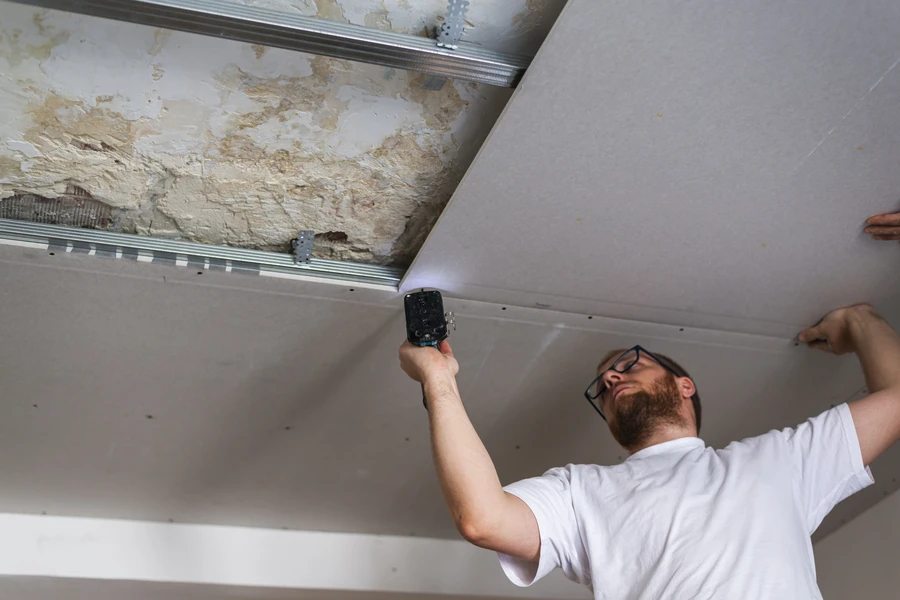
Knowing each phase helps you avoid costly surprises. When drywall installation is planned well, walls look flat and last longer. You can also speak clearly with contractors and suppliers. That reduces delays and rework. Better understanding brings clear benefits for any home or commercial space.
- Fewer material waste issues due to proper sizing
- Smoother finishes that need less sanding
- Stronger walls that resist cracks over time
- Better sound control between rooms
Common Problems That Affect Wall Quality
Many wall issues start with poor preparation. Drywall installation often fails when framing is uneven or fasteners are rushed. These mistakes lead to visible seams and nail pops. Moisture also causes problems. Damp boards can sag or grow mold. Poor joint work creates waves that paint cannot hide. These issues raise repair costs later.
How the Step-by-Step Process Actually Works
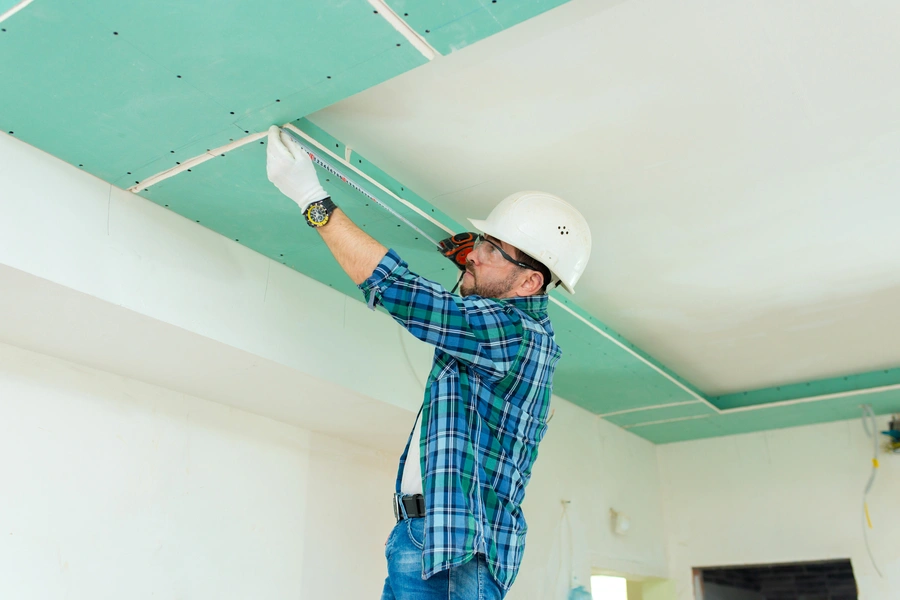
Each stage follows a clear order to protect the final surface. Skipping a step often causes flaws. Contractors follow these basic actions to keep walls straight and strong.
- Measure walls and cut panels to fit
- Secure panels to framing with screws
- Tape seams to connect each board
- Apply joint compound in thin layers
- Sand surfaces until smooth
- Prime walls before paint or texture
Best Practices Professionals Follow With Proven Results
Experienced crews rely on habits that reduce errors and save time. These practices focus on consistency and patience. They also help protect your home during the work.
- Store boards flat to avoid warping
- Use drywall screws instead of nails
- Apply compound in several thin coats
- Let each coat dry fully before sanding
- Use bright lights to spot surface flaws
Industry Standards and Building Requirements
Codes exist to protect safety and durability. Most areas require specific board thickness and fire ratings. Garages often need thicker panels near living spaces. Bathrooms require moisture resistant boards. Inspectors check screw spacing and seam coverage. Following these standards avoids fines and delays. It also protects resale value.
Cost Factors and Long-Term Value
Pricing depends on room size, ceiling height, and finish level. Basic hanging costs less than full finishing. Complex layouts add labor time. High quality finishing may cost more upfront. It often saves money later by avoiding cracks and repairs. The right approach balances budget with long-term use.
- Lower cost: basic installs with minimal finish
- Higher value: smooth walls ready for paint
- Added savings: fewer future repairs
Final Steps Toward Professional Wall Results
Choosing the right team helps every step run smoothly. Located in Marshall, TX, we focus on clean work and clear timelines. JLM Remodeling supports projects of all sizes with proven methods. Call (281) 270-3539 to discuss your goals and schedule. We handle each wall with care and consistent results.