
How Wall Systems Block Noise and Improve Indoor Comfort
Sound control matters in homes and work spaces. Noise can travel through walls and disrupt daily life. People want quieter rooms for sleep, work, and privacy. Soundproofing helps reduce these issues. Wall systems play a big role in blocking and absorbing sound. The materials, layout, and build methods all affect results. Understanding how walls manage noise helps you plan better spaces. This knowledge also helps avoid waste and poor outcomes. Smart planning leads to calmer rooms and fewer complaints.

Understanding How Wall Layers Affect Noise Control
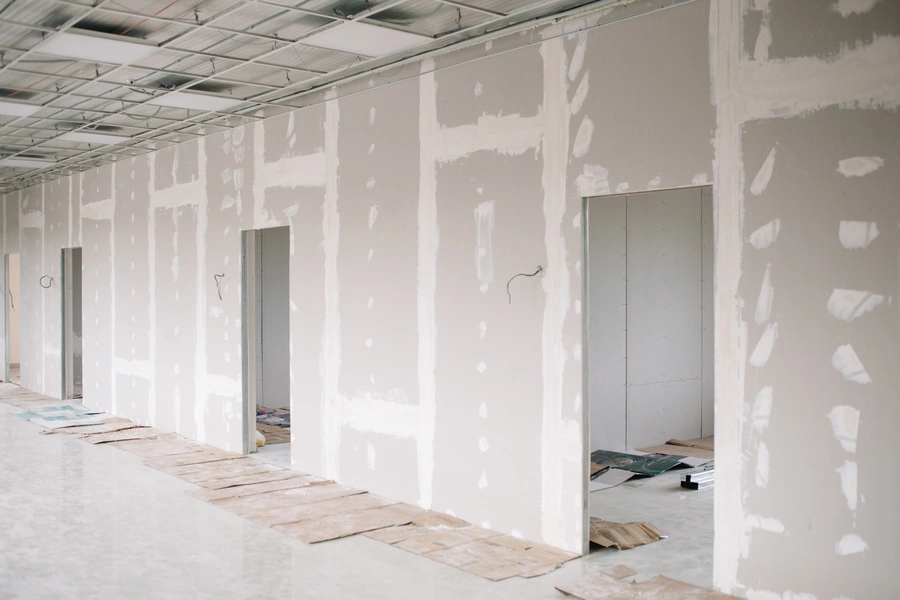
Sound moves through the air and by vibration. Walls slow this movement through mass and separation. drywall installation adds layers that increase wall weight and reduce vibration. Thicker walls with tight seals stop more sound. Gaps and weak joints let noise pass through easily. Adding staggered studs or double layers improves results. These methods work well for bedrooms and offices. Proper layer placement matters as much as material choice. Small changes can cause big sound leaks if done wrong.
Key Benefits You Can Expect From Proper Wall Builds
Many people choose drywall installation to improve room comfort and privacy. The benefits show up quickly when done right. Better walls help block noise from voices and devices. They also improve energy use by sealing air gaps. Fire ratings often improve with proper wall assembly. These gains matter in apartments and shared buildings. Long term value also increases with quieter rooms. You get better focus and improved sleep. These benefits justify careful planning.
Pros and Cons of Using Layered Wall Systems
- Pros: Reduces airborne noise between rooms
- Pros: Improves privacy in shared spaces
- Pros: Works with other sound control methods
- Cons: Costs more than basic wall builds
- Cons: Takes careful planning to avoid mistakes
Common Problems That Reduce Soundproofing Results
Many sound issues come from small errors. Open gaps around outlets leak sound. Poorly sealed joints reduce wall performance. Thin materials fail to block low tones. Rigid connections allow vibration to pass through studs. Skipping insulation leaves hollow spaces that echo. These problems frustrate property owners. They also lead to costly rework later. Identifying issues early saves time and money.
Step by Step Methods That Improve Noise Reduction
- Inspect framing for gaps and weak points
- Add insulation that absorbs sound waves
- Use double wall layers where noise is strong
- Seal all joints and outlets with acoustic sealant
- Test sound levels before final finishes
Best Practices With Materials and Layout Choices
- Choose dense wall boards for better sound blocking
- Use resilient channels to stop vibration transfer
- Plan room layout to avoid shared noise walls
- Install doors and vents with sound control in mind
Standards and Codes That Guide Wall Construction
Building codes set minimum sound ratings for walls. These rules protect occupants in shared buildings. STC ratings measure how well walls block sound. Higher numbers mean better performance. Many states require set ratings for apartments. Following these standards ensures safety and comfort. Inspections check wall thickness and sealing. Meeting code also avoids penalties and delays.
Cost Factors and Long Term Value Considerations
Costs vary based on wall size and materials. Thicker layers and sound mats raise prices. Labor time increases with detailed work. However, quiet rooms add property value. Fewer noise complaints reduce tenant turnover. Energy savings also offset some costs. Planning ahead prevents wasted spending. Good walls last for decades with little upkeep.
Moving Forward With Smarter Sound Control Choices
Located in Marshall, TX, we help property owners plan quieter spaces. Clear wall strategies improve comfort and daily use. JLM Remodeling focuses on proven wall methods that reduce noise. Our crews follow code and best practice standards. Call (281) 270-3539 to discuss sound control goals and project timelines. We guide each step with care and consistency.